.png?width=48&height=48&name=COACH%20SHELLY%20Course%20Designer%2c%20Author%20and%20Mentor%20(1).png)
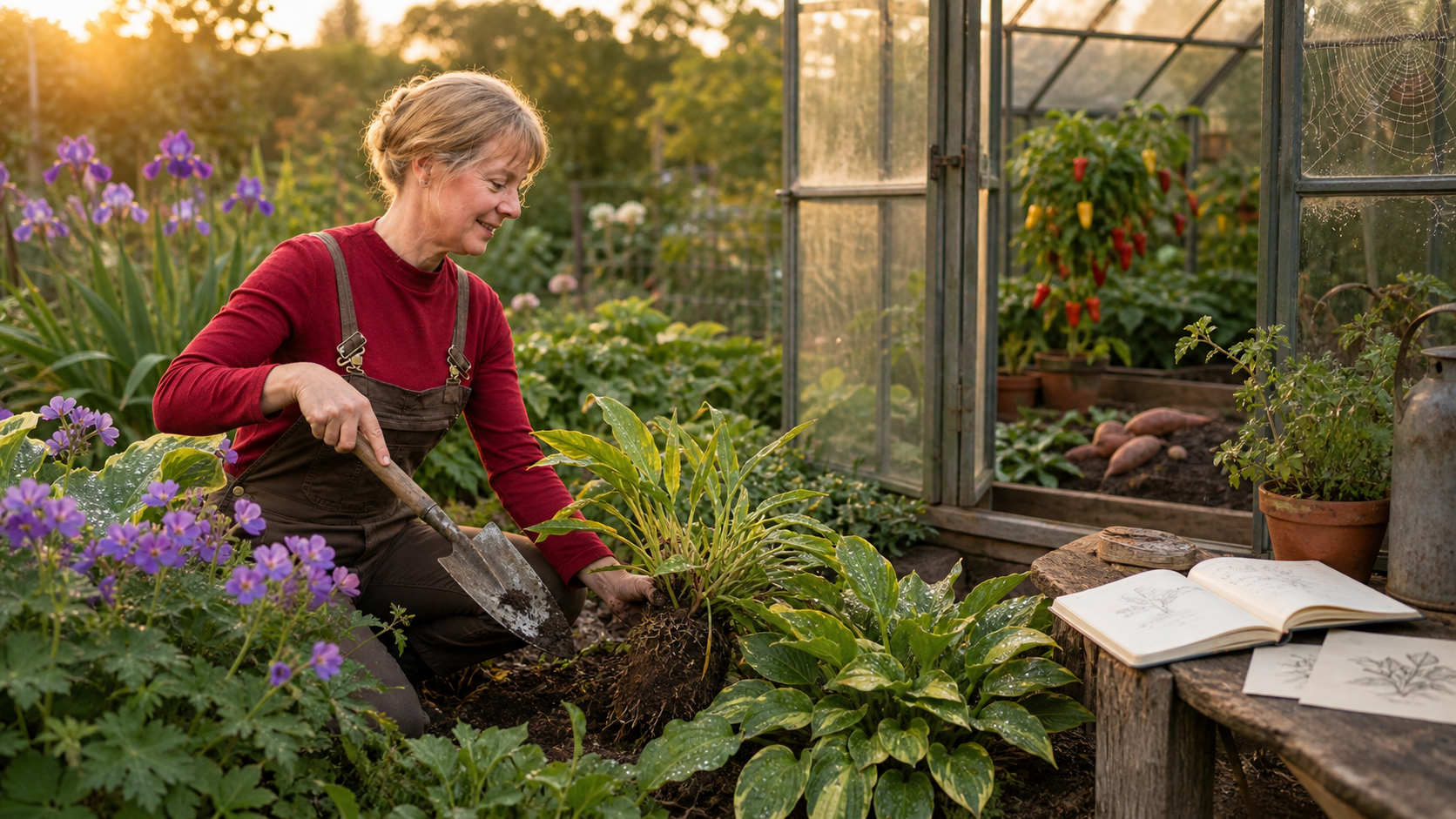
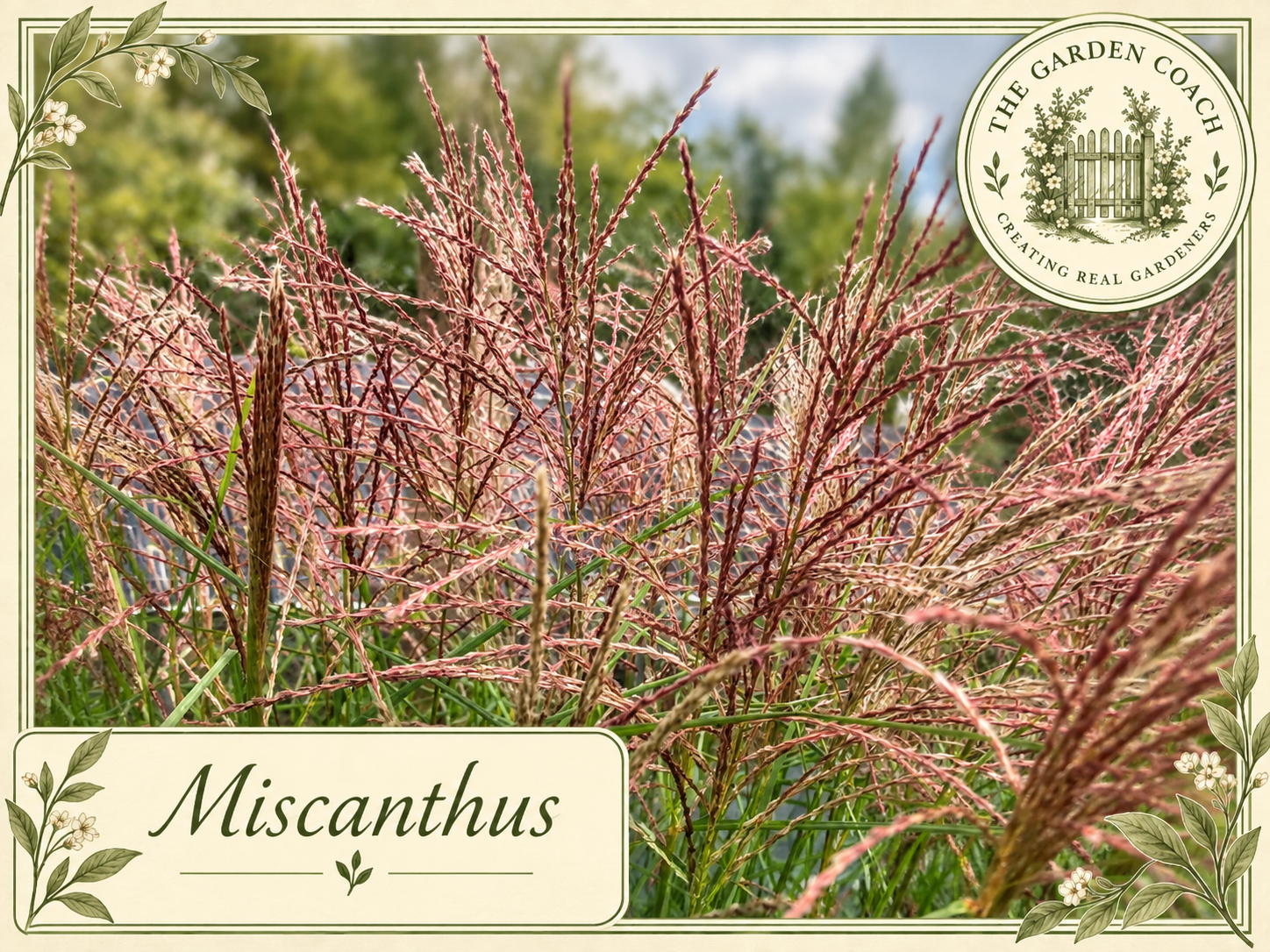
1. Start cutting back perennials that are going over
In some gardens perennials will stand through winter and look lovely with a frost on them. But in plenty of gardens, Rebeccah's included, most of them just collapse and become a slug hotel for winter.
Clearing the old foliage also shows you what space you actually have, which makes it much easier to add bulbs and hardy annuals.
 2. Mulch the beds with compost
Once a bed has been cut down and weeded, spread compost over it. It holds moisture in the soil, stops annual weeds from germinating, and improves the soil as it breaks down.
3. Get tender plants under cover
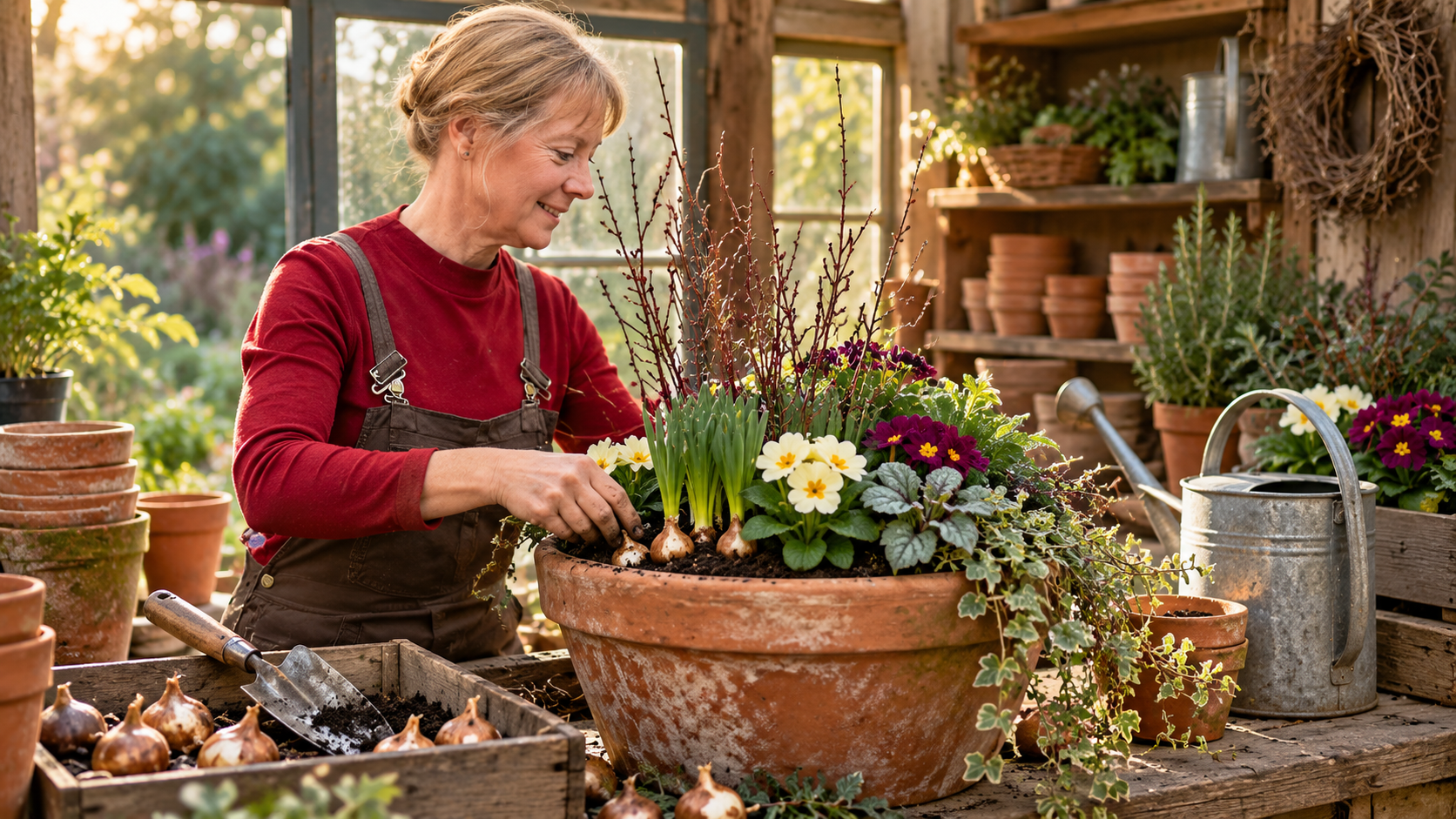
Move tender plants into the greenhouse or conservatory before the frosts arrive.
Pull the pots hard up against the house. Warmth from the walls should help protect them over winter.
4. A last cut for lawns and hedges
Give the lawn its final cut of the year and trim the edges. If you haven't tidied the hedges yet, now's the time.
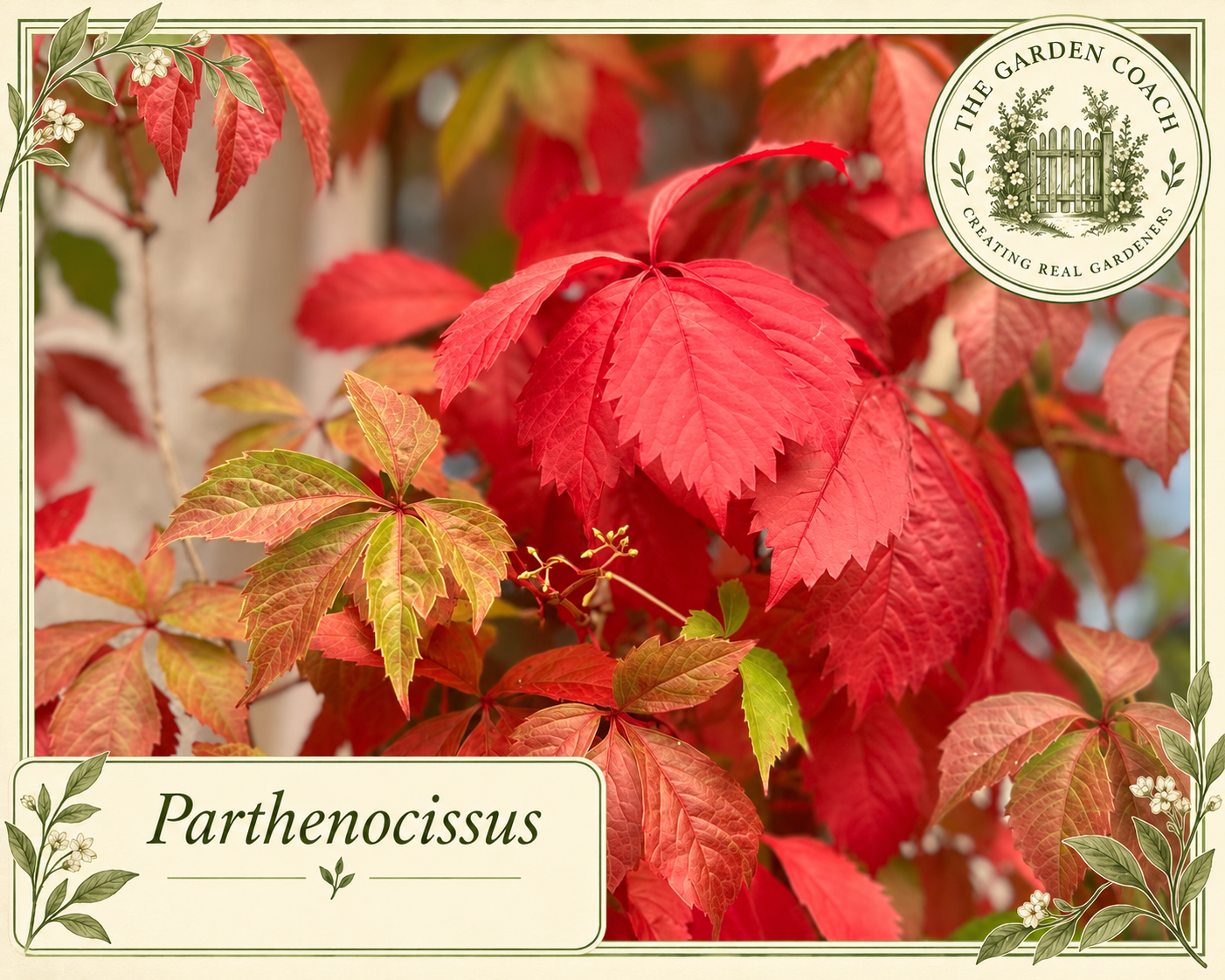
5. Gather leaves for leaf mould
As the leaves come down, break them up and bag them to store over winter. By next year they'll have turned into leaf mould, one of the best things you can put on your soil.

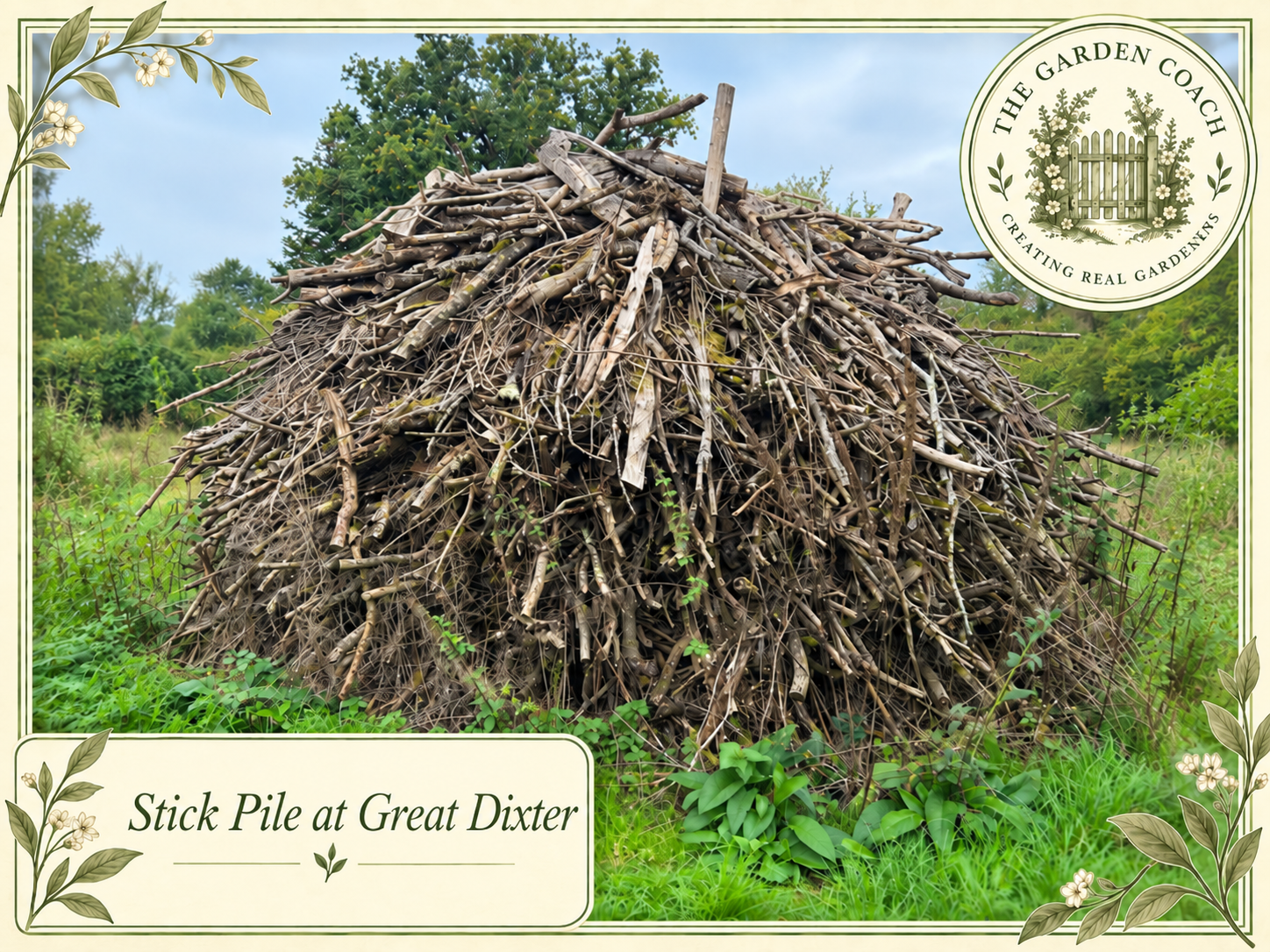
6.Start a stick pile
Pick a corner and start a pile of sticks and prunings that you can keep adding to this winter and in seasons to come. The one below is at Great Dixter in East Sussex. It's full of beetles and lots of other insects, and small mammals have made it their home too.